Sekondi-Takoradi references the two adjacent cities next to the port. There is very little to distinguish the two. Poverty for the population is partially a result of an almost 50% unemployment rate.
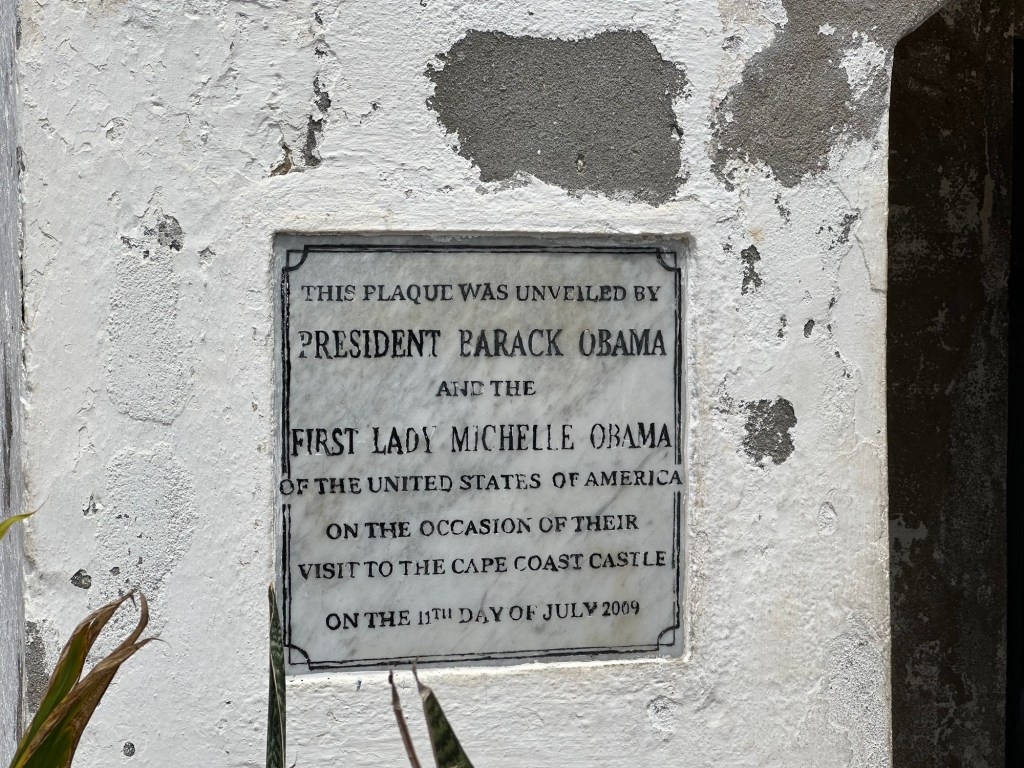
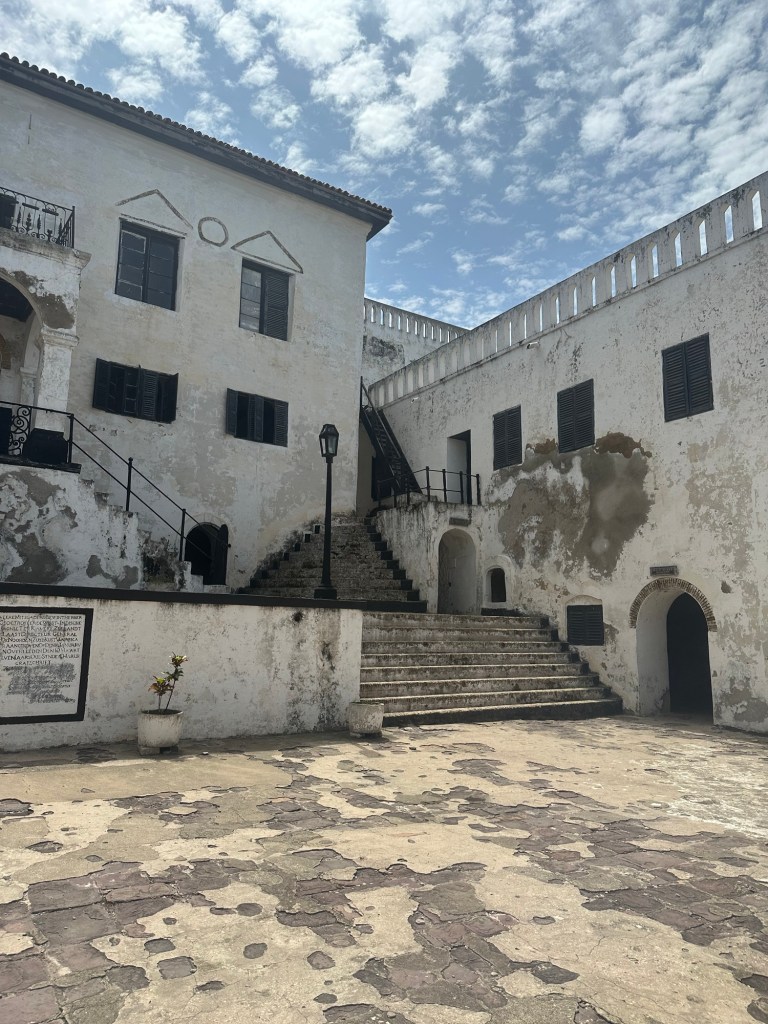
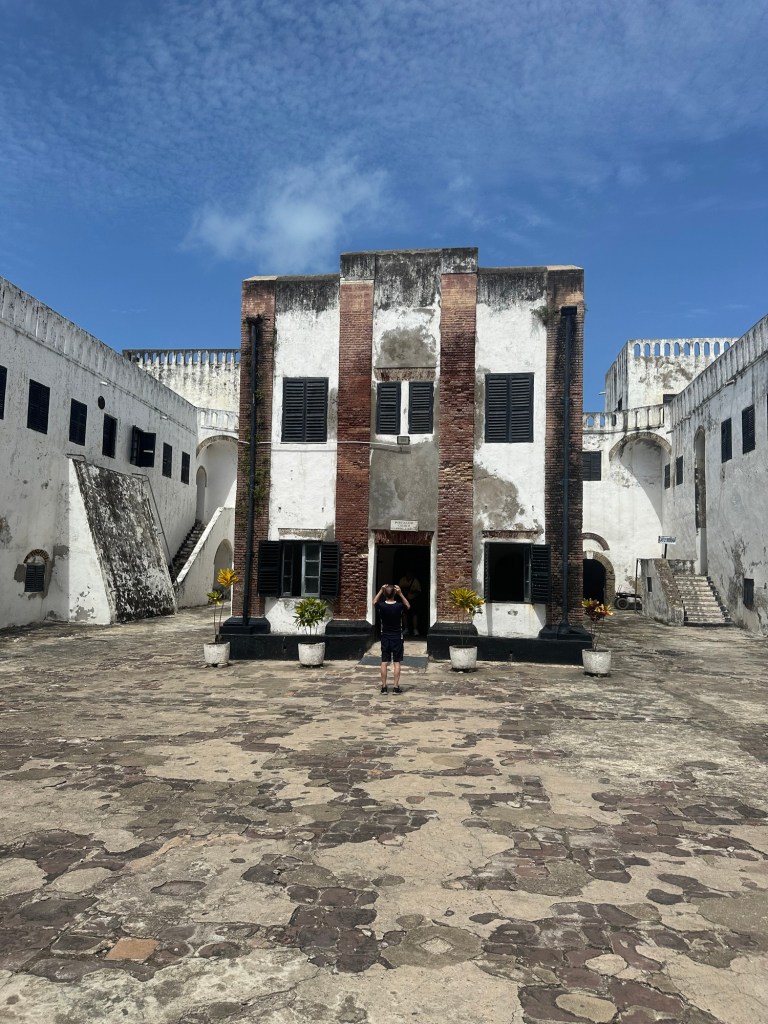
This stop in Ghana resulted in an emotionally challenging day. Ghana was one of the larger slave trading areas in the African Continent. You may remember Barack Obama and his family visiting a slave trading complex in this country. We visited the same place along with a second “castle” located on the Cape Coast.
The Cape Coast Castle is located a two hour drive from the port. The coast is pretty but the struggling living conditions appear to be irreversible as they are seen from the miles of roadway that we used. Once again, we were under security supervision.
The castle was actually a fort that was started by the Portuguese and wound up in British control. Prior to the British prohibiting the slave trade in the early 1800’s, this building held up to 2,000 captured people waiting transport to Brazil, the Carribean, and the U.S. Generally, slave marketers from the local town would capture the people and sell them to the European trade dealers. As the guide readily informed us, the slave trade depended upon the support and involvement of local tribal leaders and their community.

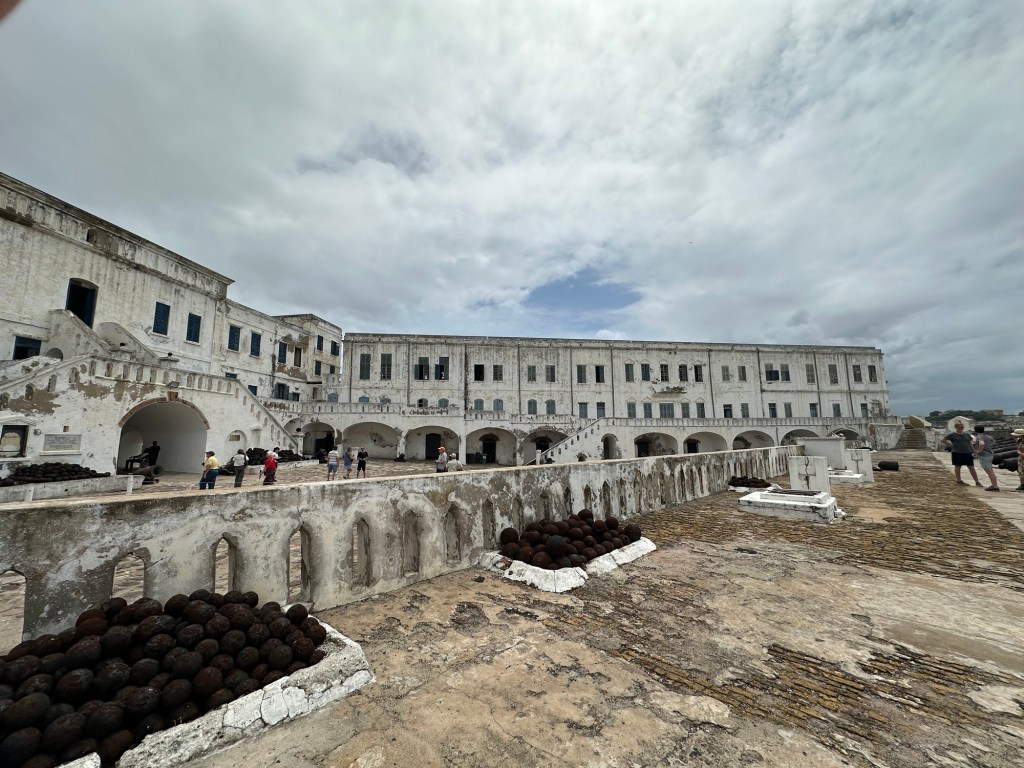

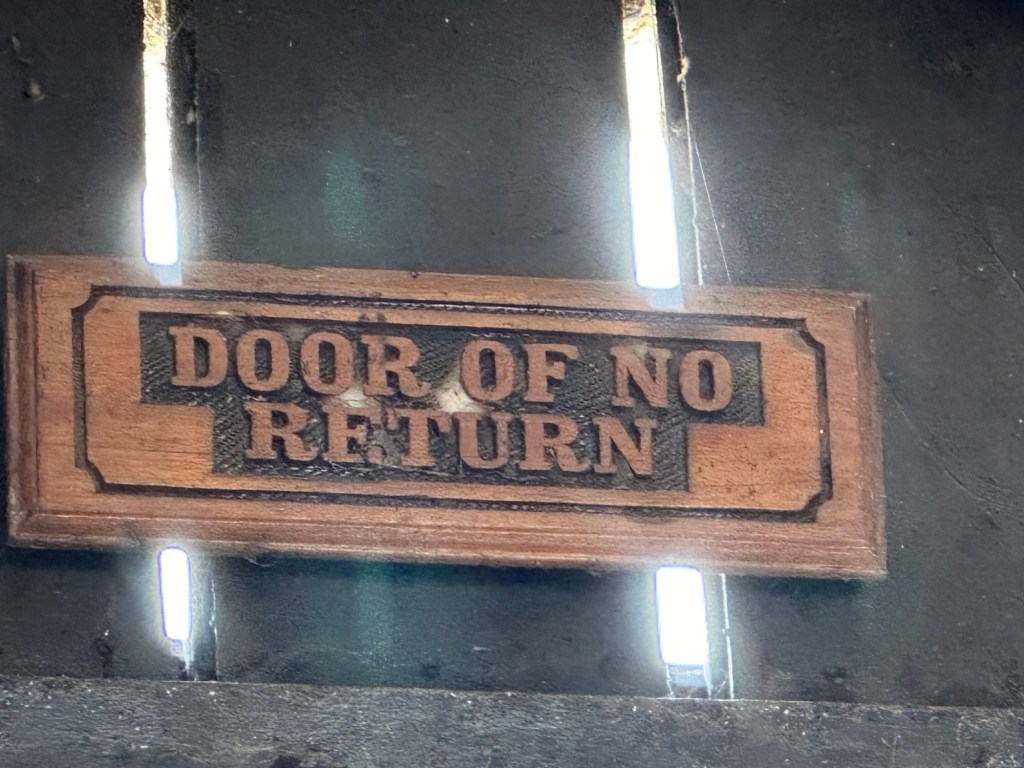
The second slave trade facility we toured was Elmina Castle. It also held over 1,000 people before their overseas journey. As with the Cape Coast Castle the dungeons were inhumane and the practices horrific.
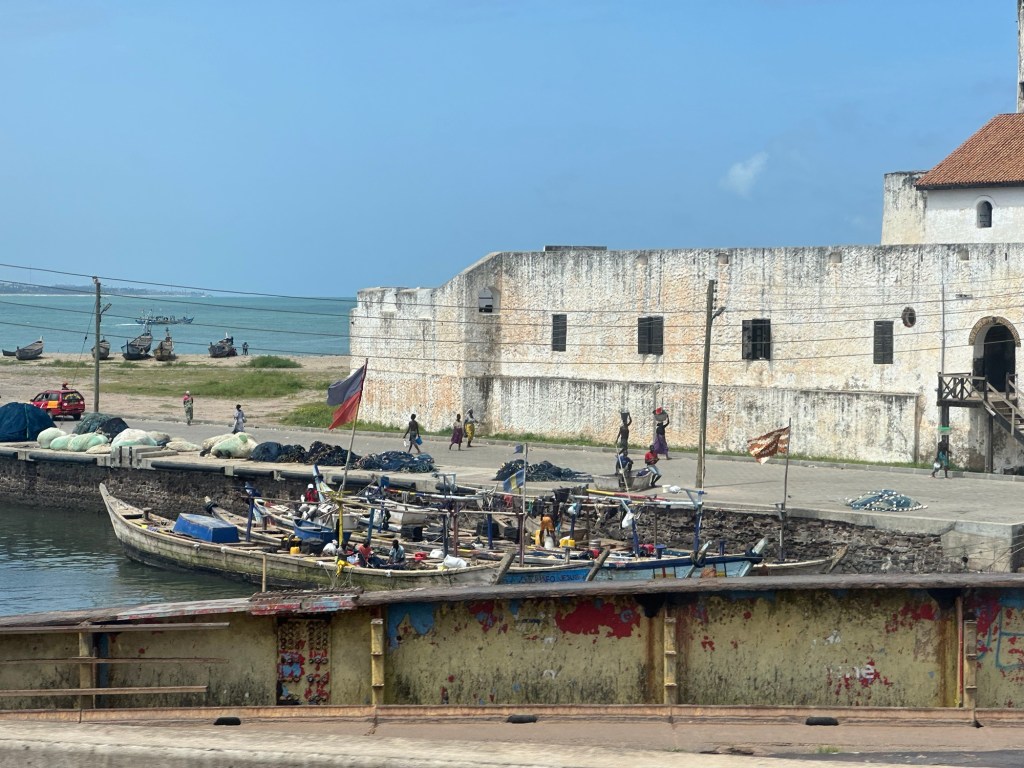

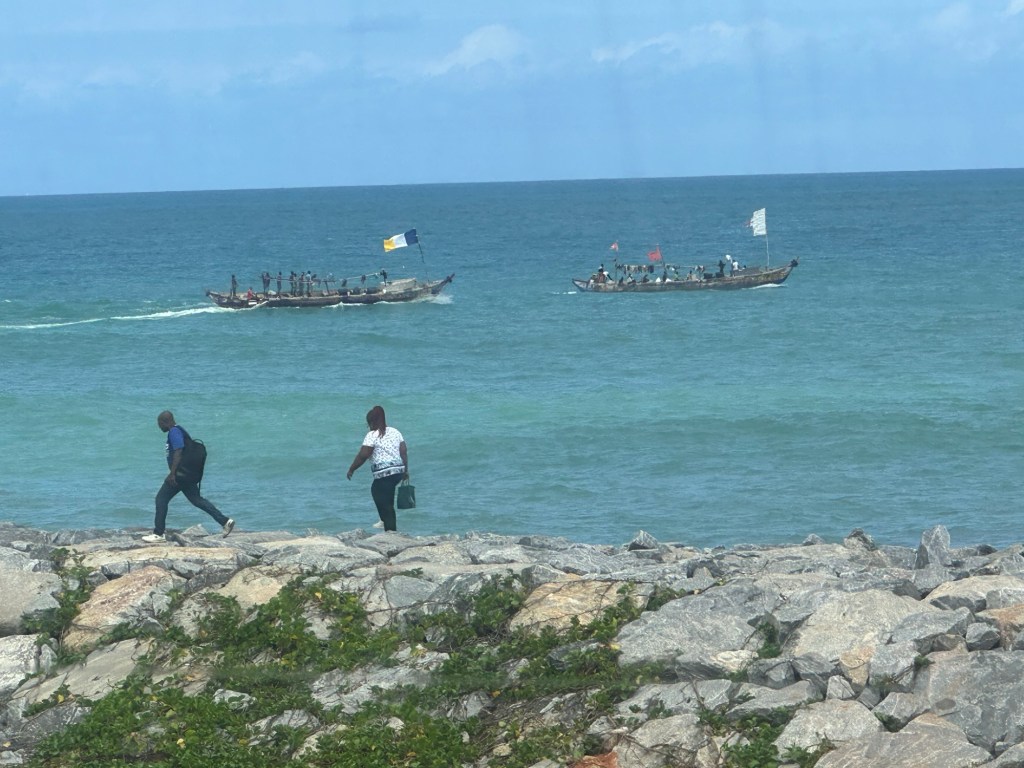
After the two castles, we enjoyed a lunch at the Coconut Grove resort. So humbling to have so much when so many have so little.


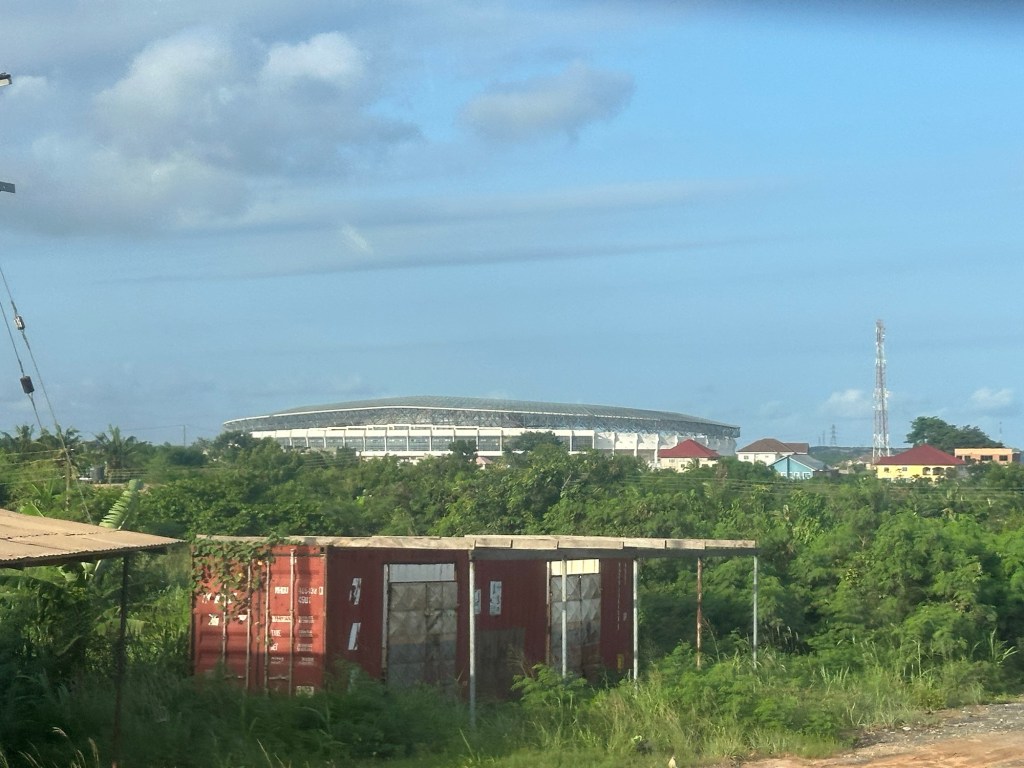
This area has so many natural resources. Maybe there are signs that things are looking up.
Cheers and good night Joey.
 Joey's Mom's Adventure